Strategic sector 03 of 10
Fisheries & the Blue Economy
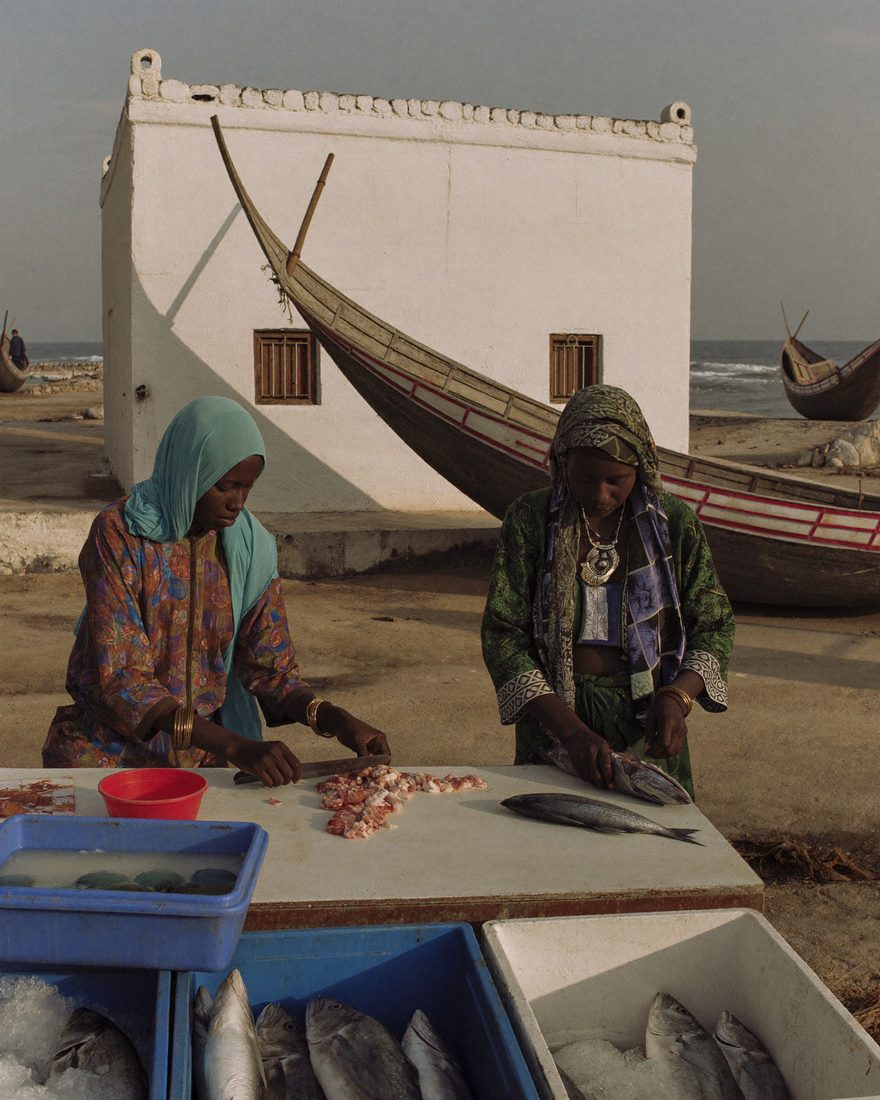
Somalia’s coastline is among the longest in Africa, and women play a significant but under-recognised role in fish handling, processing and trade. SWEEF works to raise the value women capture from marine resources while supporting sustainable use.
What this sector is for
Women are concentrated in the parts of the fisheries value chain that capture the least value: handling, cleaning, drying and small-scale sale. The margin sits in preservation, cold chain, grading, packaging and access to institutional buyers.
The constraint is rarely effort or skill. It is ice, storage, transport, quality standards and a buyer who will pay for consistency.
Where this sits on the empowerment pathway
- Assets
- Market access
- Income
SWEEF delivers the stages together rather than in isolation. See the full model
Key intervention areas
What SWEEF does in this sector
These are the areas the Foundation is mandated and structured to work in. They describe intended activity, not delivered results.
- Women's participation and enterprise in fisheries
- Fish processing, preservation and value addition
- Fisheries entrepreneurship and cooperative development
- Cold-chain and storage infrastructure development
- Market access and buyer linkage for fish products
- Sustainable and responsible fisheries practice
- Emerging blue-economy opportunities for women
Connected sectors
This sector does not work alone
A participant supported here will usually need at least one of the following as well. SWEEF is structured to deliver across those boundaries.
Partner in this sector
Raising the value women capture from marine resources, while supporting sustainable use of them.
SWEEF is seeking technical partners, buyers, financiers and government counterparts with a stake in this sector.