Strategic sector 09 of 10
Climate Change & Environmental Sustainability
SWEEF treats climate resilience as an economic issue: livelihoods that cannot survive drought, flood or ecosystem decline are not sustainable livelihoods.
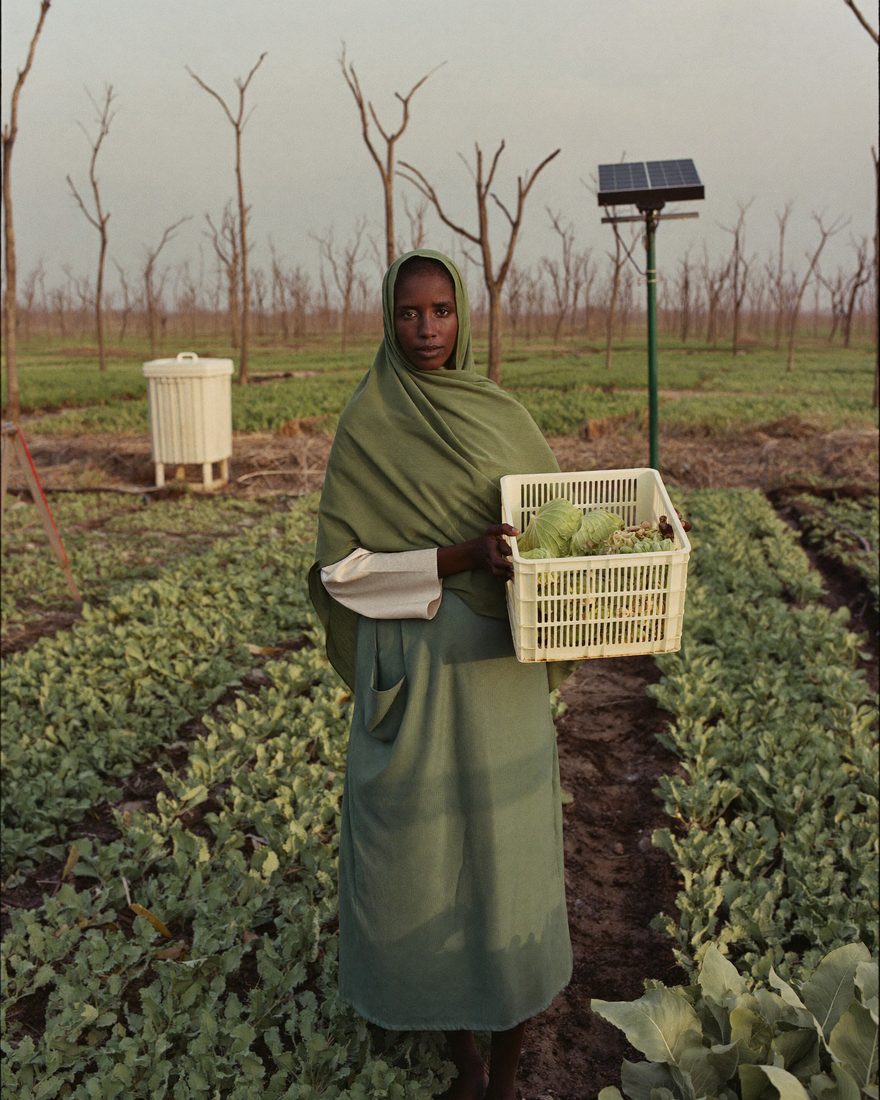
What this sector is for
A programme that raises a woman’s income and leaves her fully exposed to the next failed rains has not finished its work. Resilience is therefore designed in, not added at the end.
The same logic applies to the resource base. Fisheries and rangeland that are degraded to raise this year’s income remove next year’s.
Where this sits on the empowerment pathway
- Resilience
SWEEF delivers the stages together rather than in isolation. See the full model
Key intervention areas
What SWEEF does in this sector
These are the areas the Foundation is mandated and structured to work in. They describe intended activity, not delivered results.
- Climate-smart and climate-resilient livelihoods
- Environmental protection and restoration
- Sustainable natural-resource management
- Coastal and marine ecosystem protection
- Sustainable production and low-waste processing
- Green business models and clean-energy adoption
- Climate-resilient enterprise development
Connected sectors
This sector does not work alone
A participant supported here will usually need at least one of the following as well. SWEEF is structured to deliver across those boundaries.
Partner in this sector
Treating climate resilience as an economic issue, because livelihoods that cannot survive drought are not sustainable.
SWEEF is seeking technical partners, buyers, financiers and government counterparts with a stake in this sector.