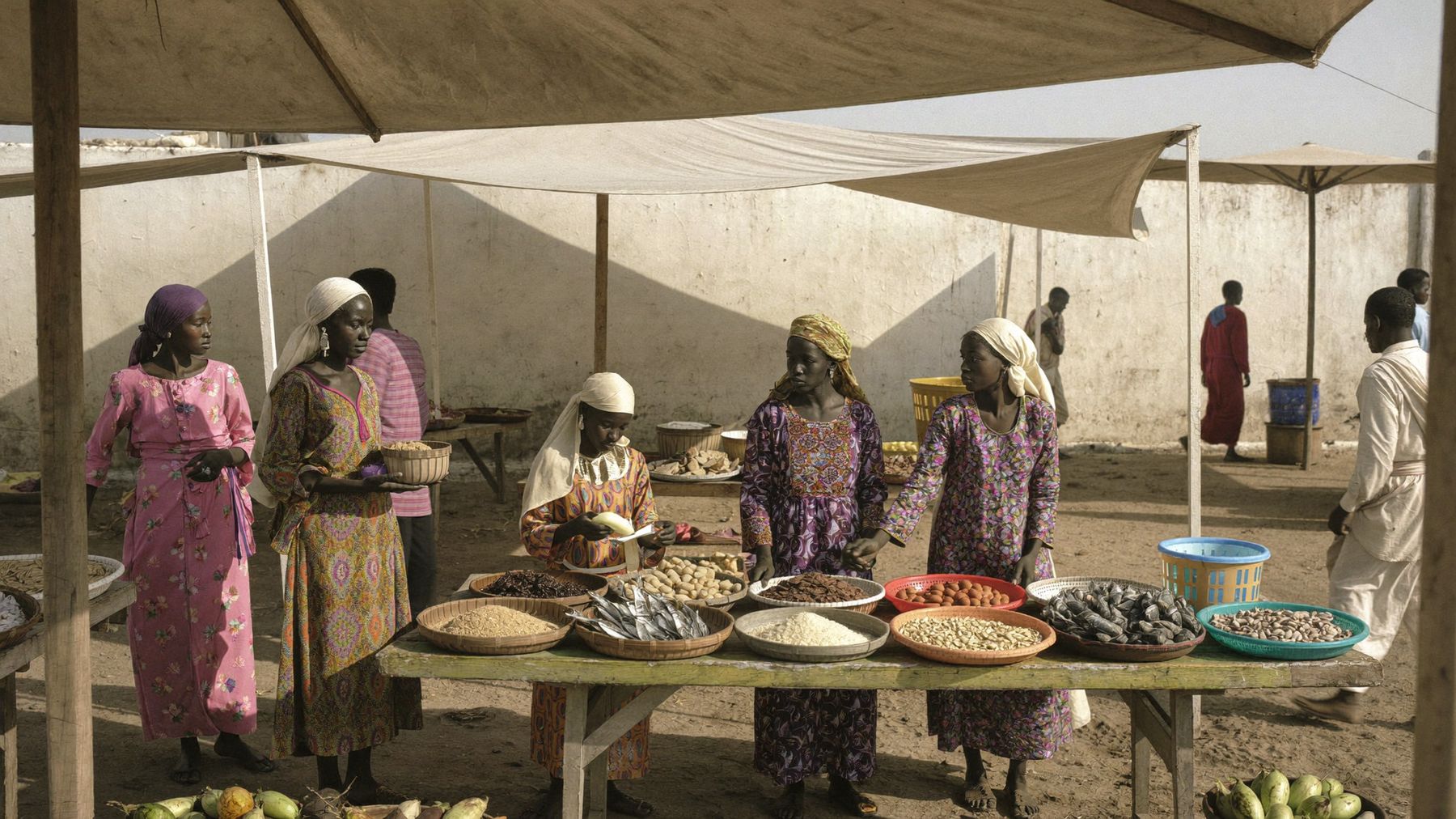
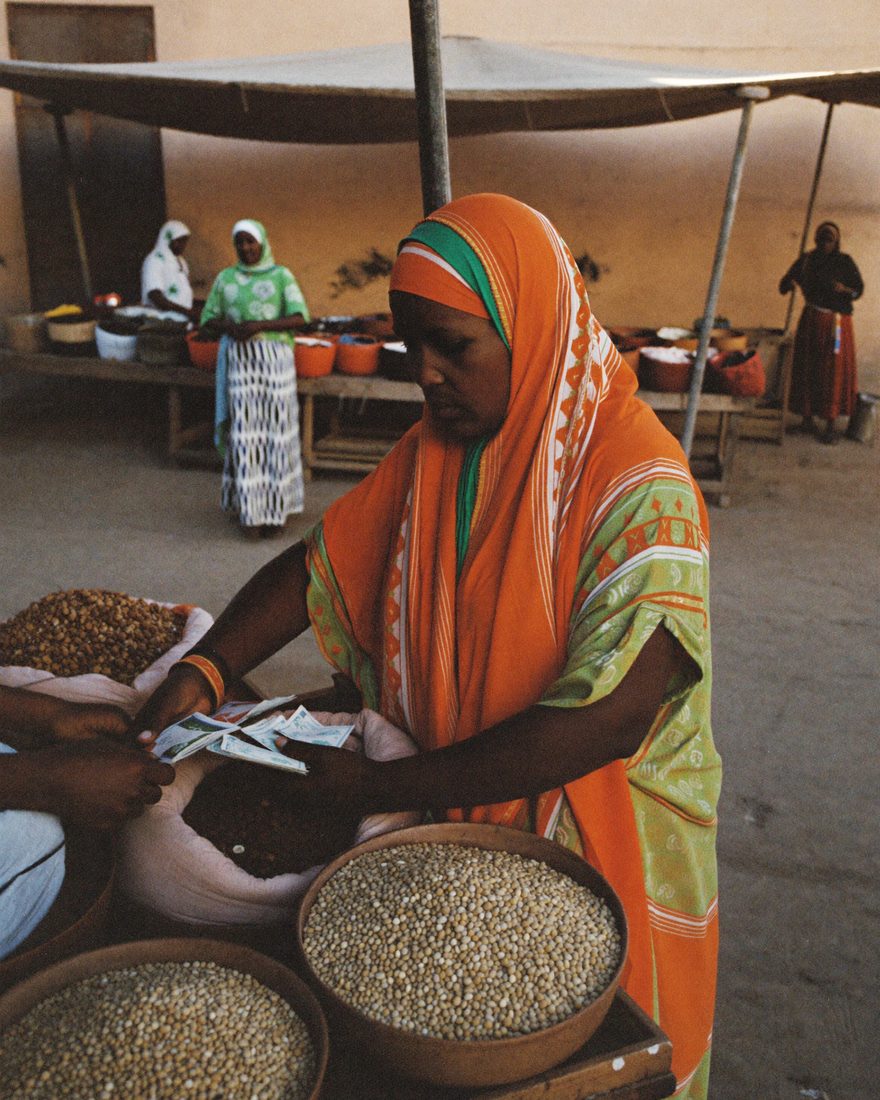
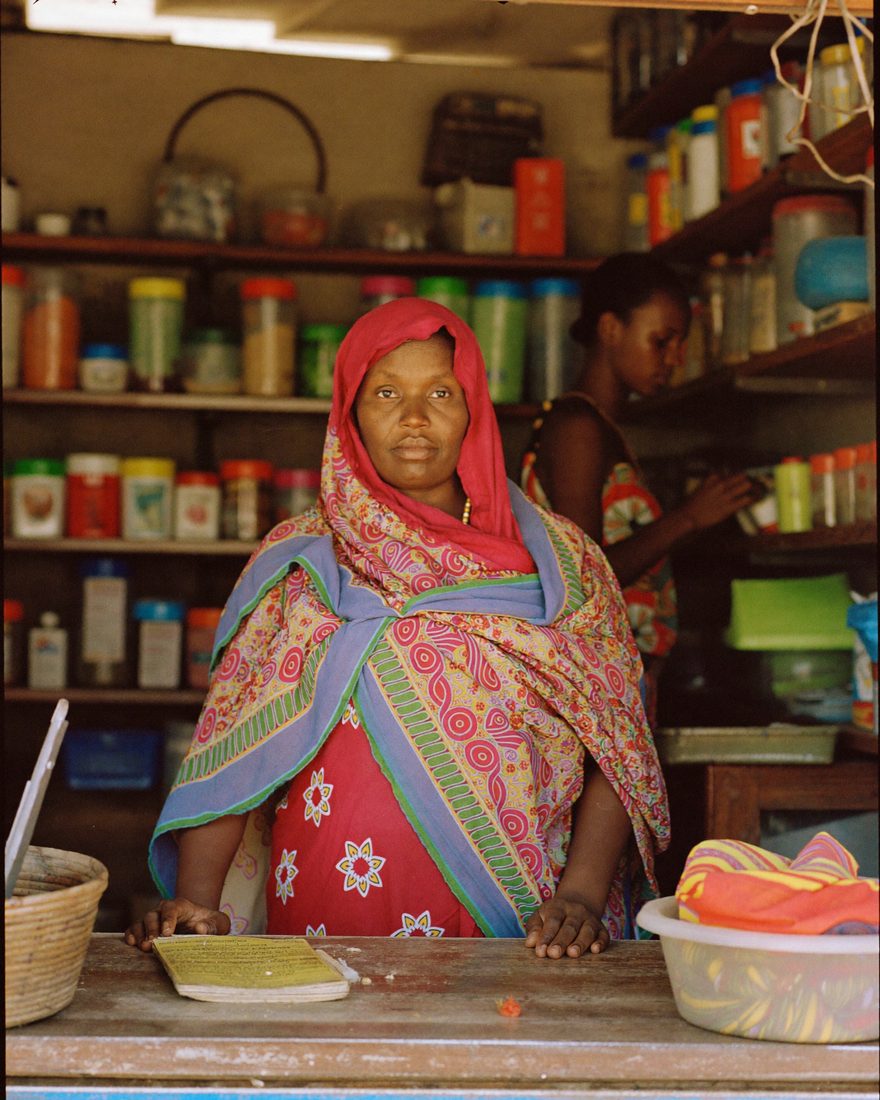
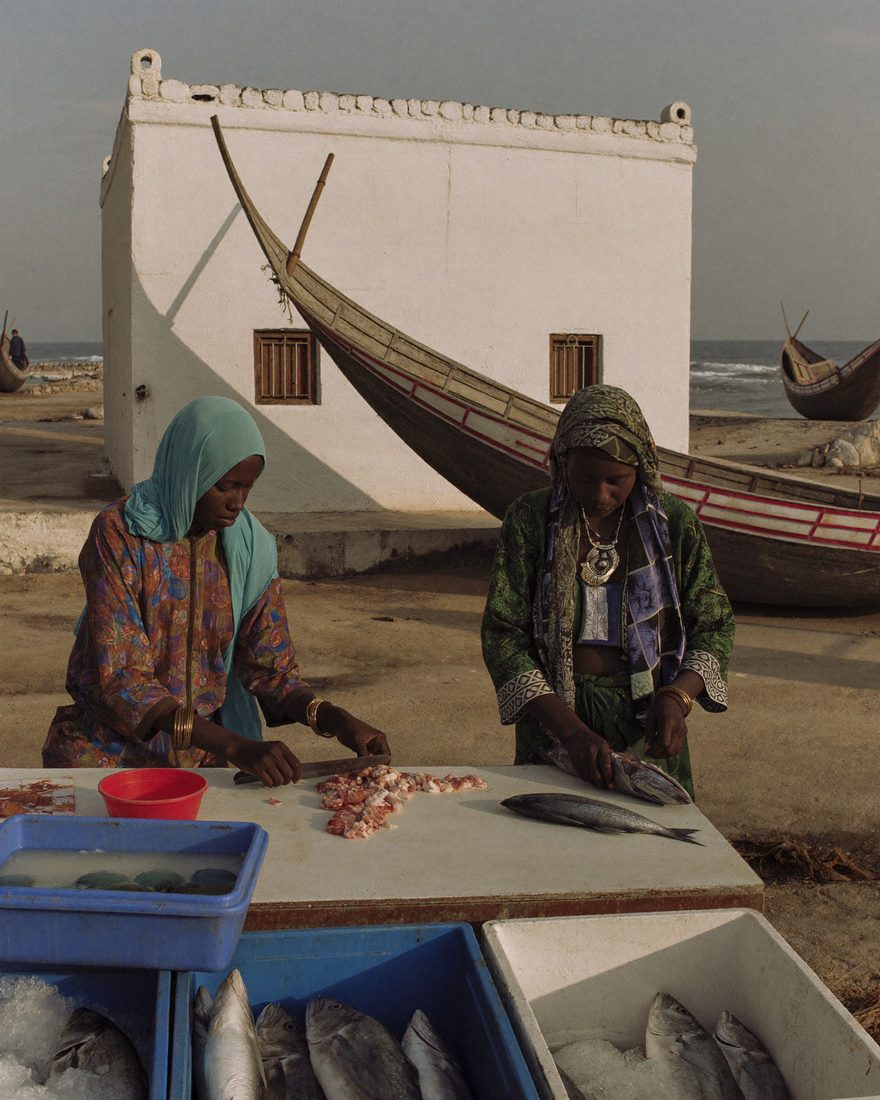
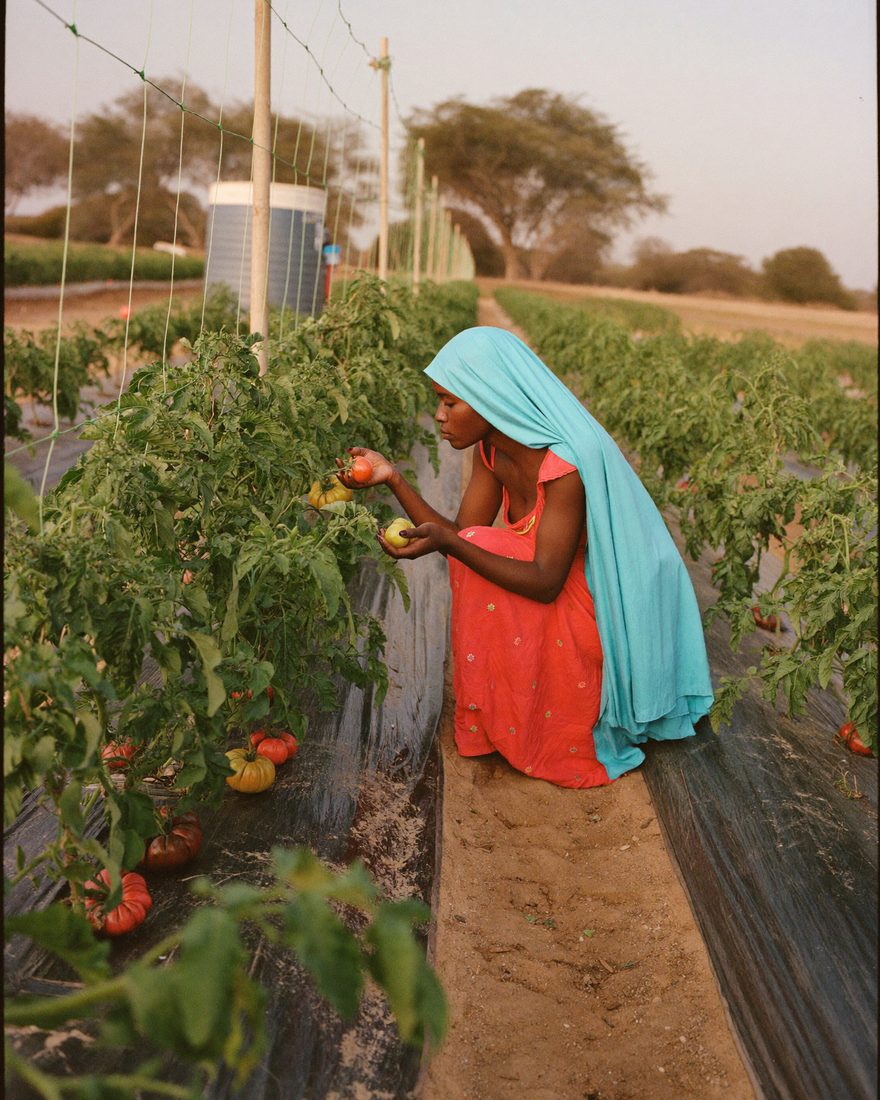
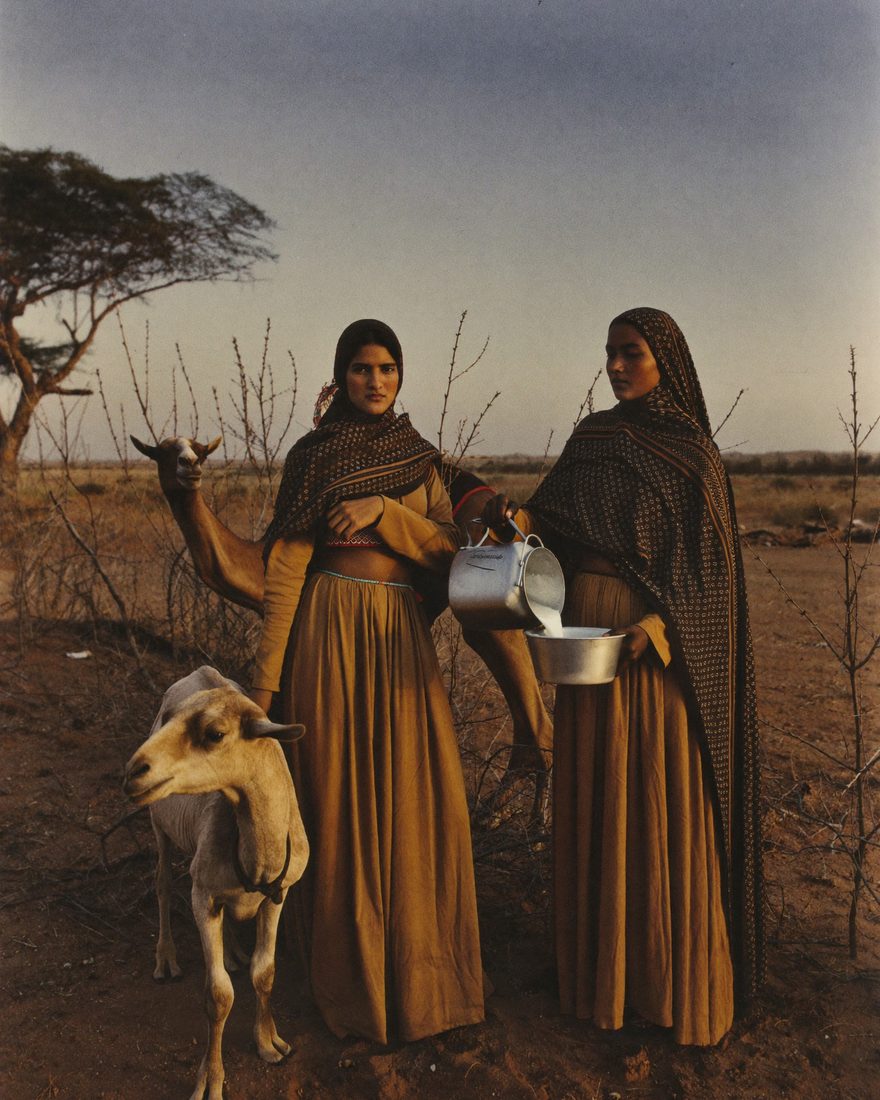
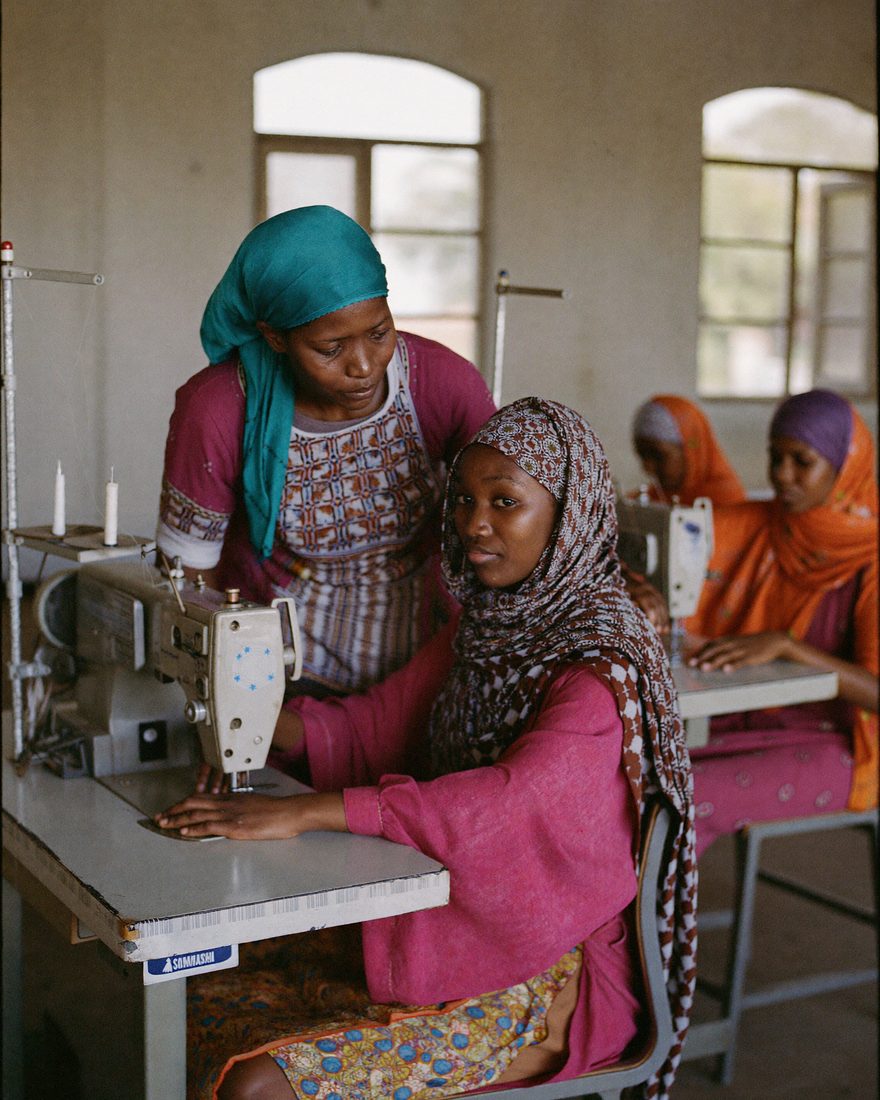
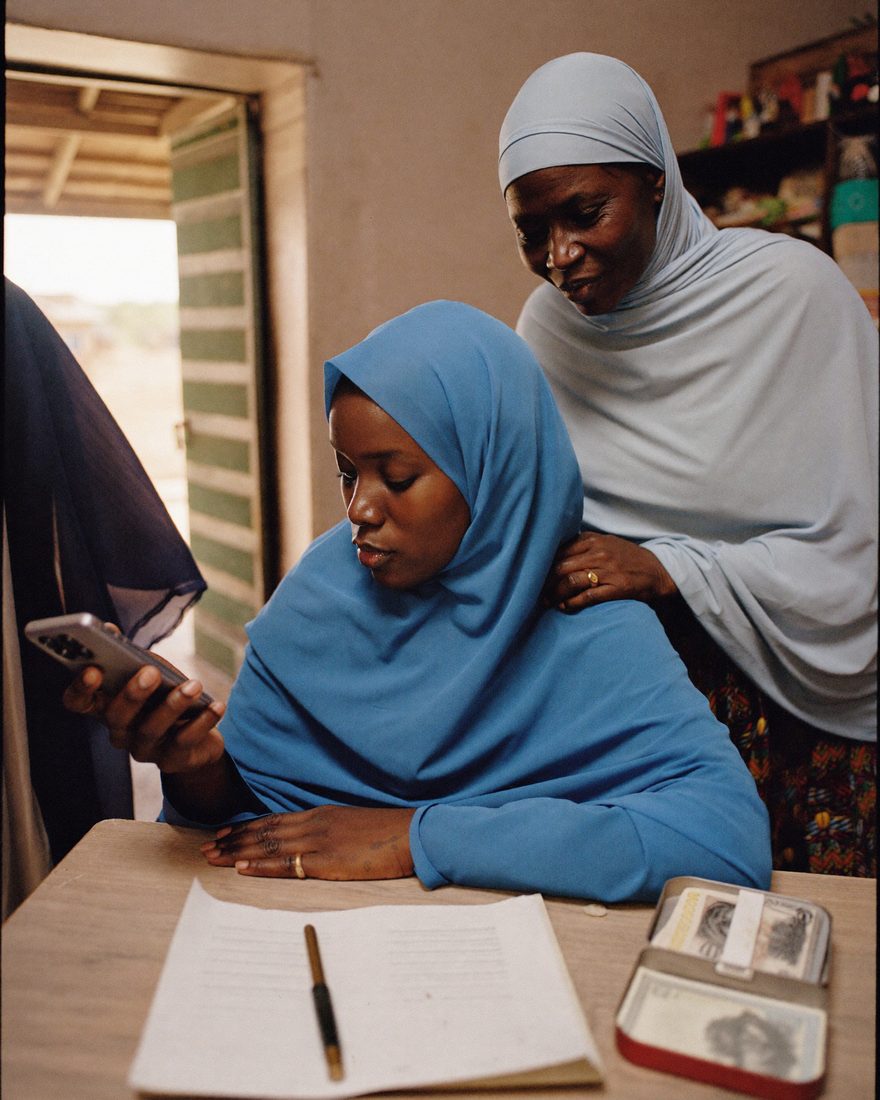
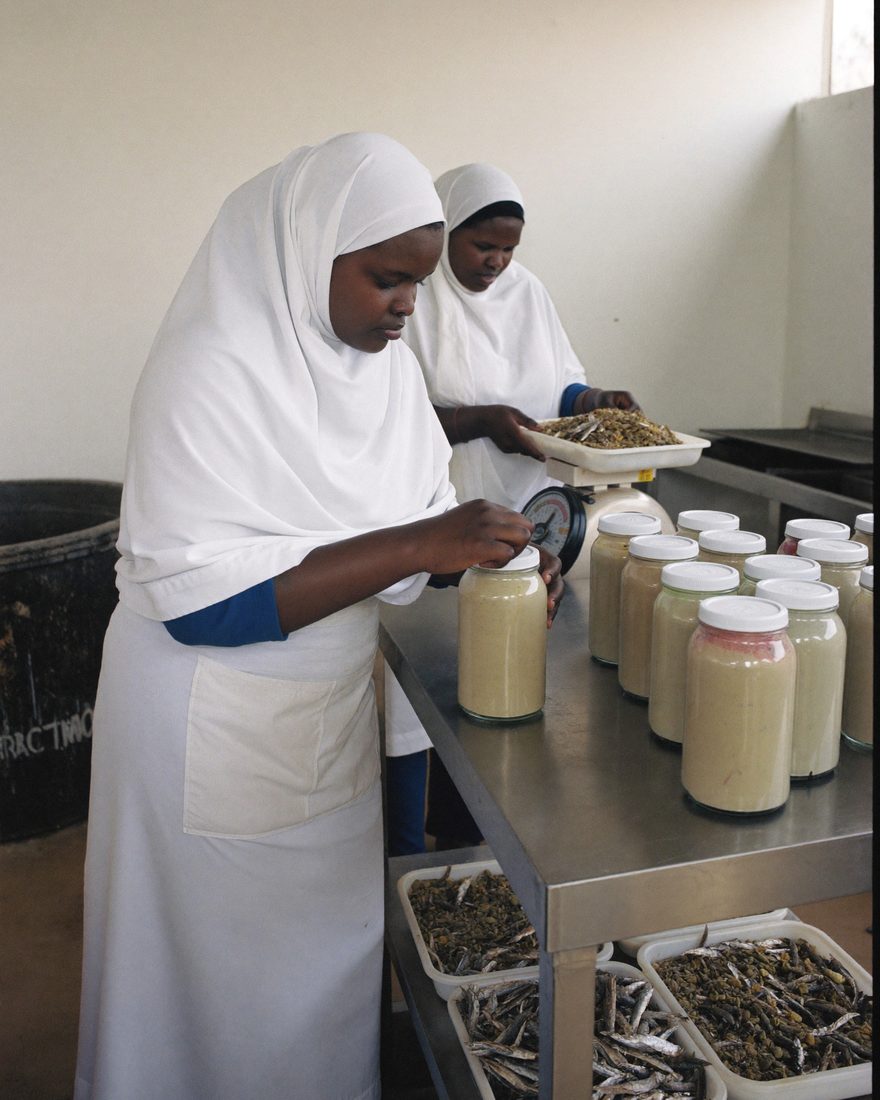
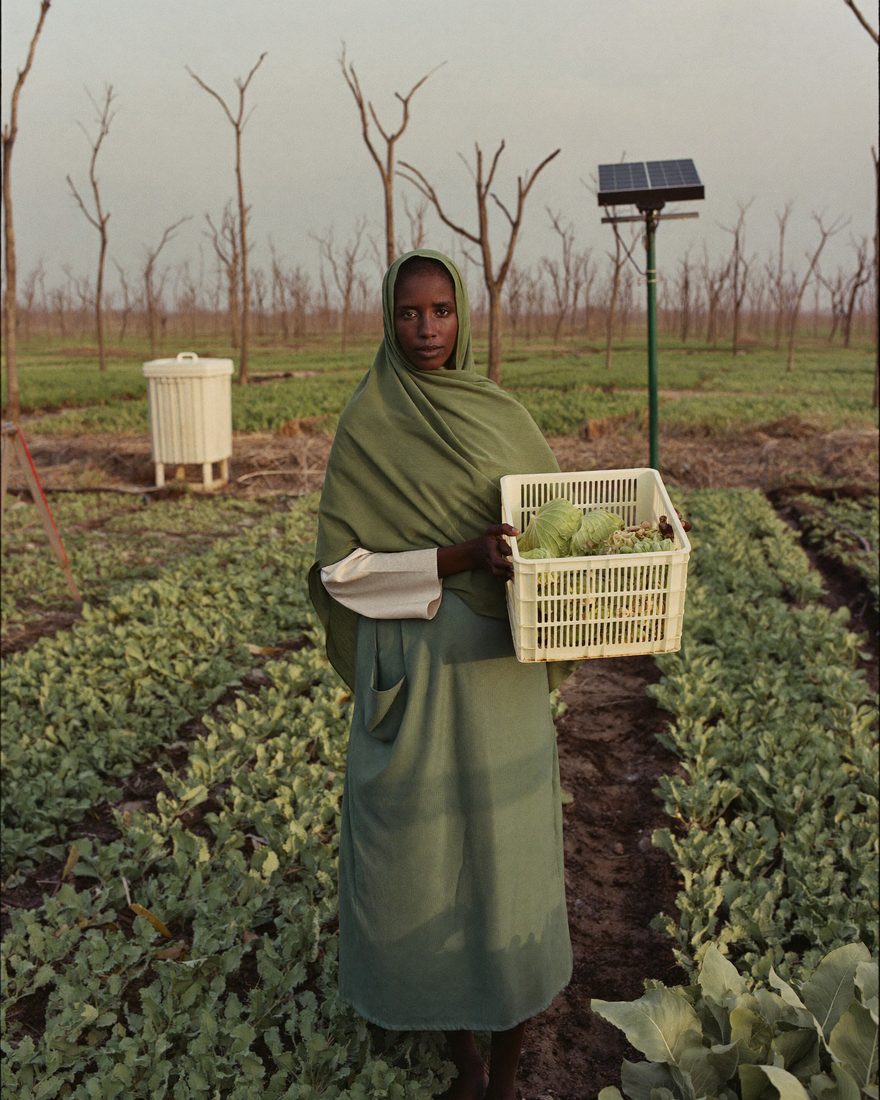
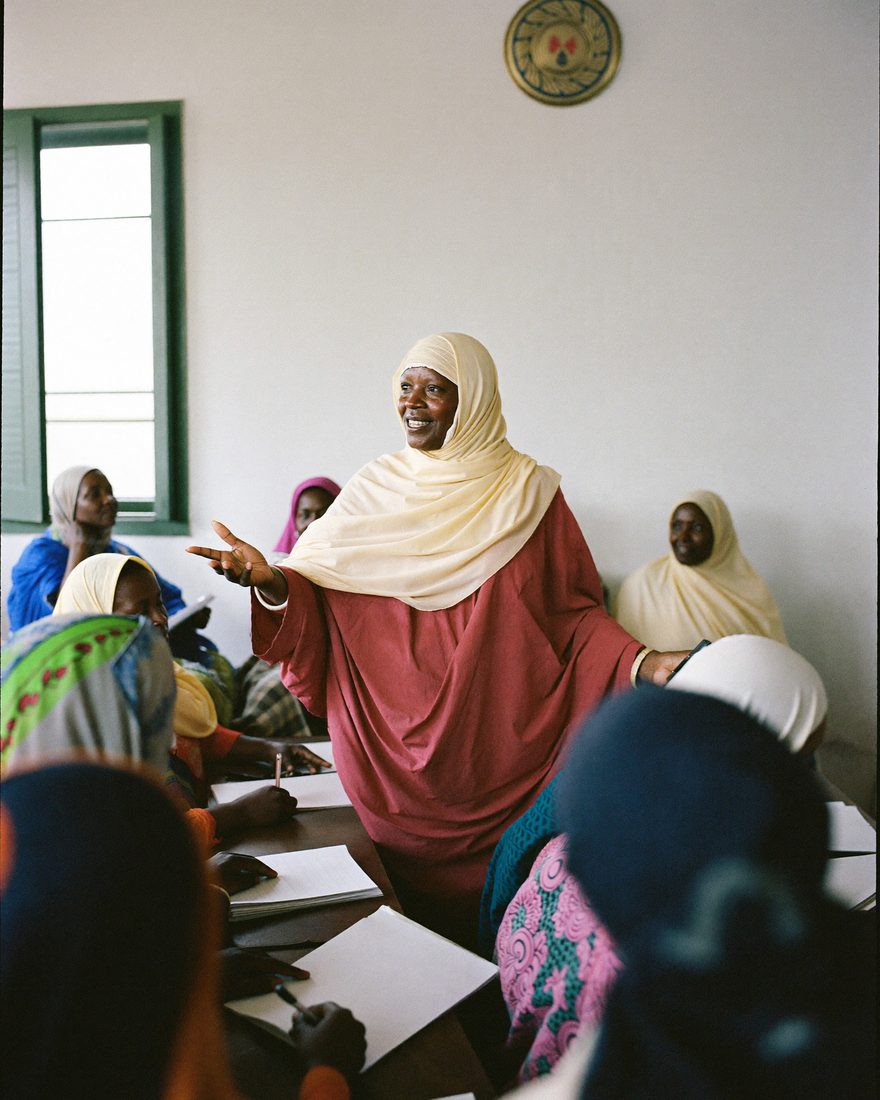
SWEEF concentrates on ten interconnected sectors with strong potential to increase women’s income, employment, food security, enterprise performance and resilience.
The ten strategic sectors
Why the sectors are linked
A woman supported in fisheries may also require skills training, finance, processing capability and market access. SWEEF is structured to deliver across those boundaries rather than within a single silo. The sectors below describe areas of expertise, not separate programmes a participant must choose between.
Sector 01
Women's Economic Empowerment
Expanding the economic opportunities available to women and strengthening their control over income, assets and economic decisions.
The following priorities are built into the design, delivery, monitoring and evaluation of every SWEEF program rather than treated as separate components.
Gender equality & women’s empowerment
Youth participation
Climate resilience & environmental sustainability
Digital transformation
Financial inclusion
Safeguarding, PSEA & protection
Social inclusion
Conflict sensitivity & do-no-harm
Accountability to affected populations
Monitoring, evaluation, research & learning
Evidence-based & adaptive programming
Local ownership & localisation
Sector partnership
Bring a sector, a market or a finance product to the table.
SWEEF is looking for partners with technical depth in these sectors, buyers who need reliable supply, and financiers prepared to design for women-led enterprise.