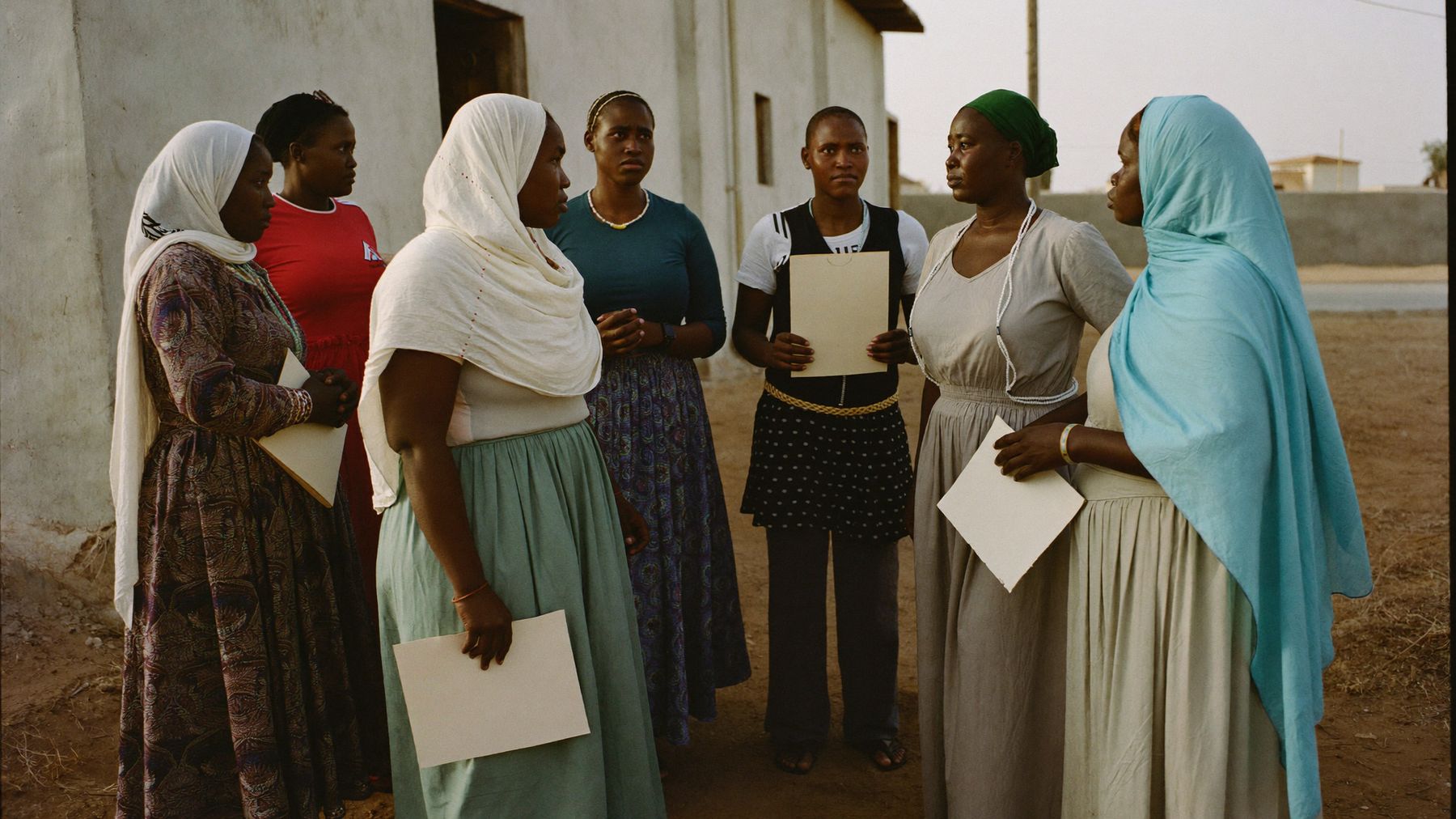
Primary participants
The women SWEEF is built for
SWEEF prioritises women and girls with limited access to economic opportunity, with particular attention to those whose exclusion is compounded by poverty, geography, displacement or household circumstance.
Nine participant groups
Identified by the economic position they hold
Not by vulnerability category. Each group faces a different combination of the same underlying constraints, and each needs a different entry point into the pathway.
Women entrepreneurs & owners of women-led SMEs
Businesses that already trade and now need capital, formalisation, systems and larger markets to grow and employ.
Women in fisheries, fish processing, trade & coastal livelihoods
Substantial and under-recognised contributors to Somalia’s marine economy, capturing a fraction of the value they create.
Women farmers & agribusiness entrepreneurs
Producers moving from subsistence towards climate-smart, market-connected agribusiness.
Women livestock producers, processors & traders
Pastoral and agro-pastoral households where livestock is the primary asset and the primary exposure.
Young women seeking skills, employment & enterprise opportunities
Entering the labour market with limited access to demand-led training, work experience or start-up capital.
Women in rural, coastal & peri-urban communities
Where distance from services, finance and buyers is itself the constraint.
Women from economically vulnerable & female-headed households
Carrying full household responsibility with the least margin for a failed season or a lost buyer.
Women’s groups, cooperatives, savings groups & producer associations
Collective structures that can aggregate volume, share assets and negotiate on better terms.
Women seeking access to finance, markets, technology & productive assets
Capable operators held back by a single missing input rather than by a lack of skill or effort.
Supporting stakeholders
The environment around her matters as much as her own capability
SWEEF also engages communities, government institutions, financial service providers, private-sector actors and other stakeholders whose participation is essential to creating and sustaining economic opportunities for women.
Working with men, household heads and community leaders is treated as part of the program, not as an afterthought. Sustained change in a woman’s economic position depends on the environment around her as much as on her own capability, and where income becomes visible without that work being done, it can create risk rather than security.
Communities
Identification of need, participation in design, and ownership of results.
Government institutions
Policy alignment, coordination and institutional sustainability.
Financial service providers
Products designed for the way women’s enterprises actually earn.
Private-sector actors
Buyers, offtakers and value-chain investment.
Other development stakeholders
Technical depth, co-financing and shared learning.
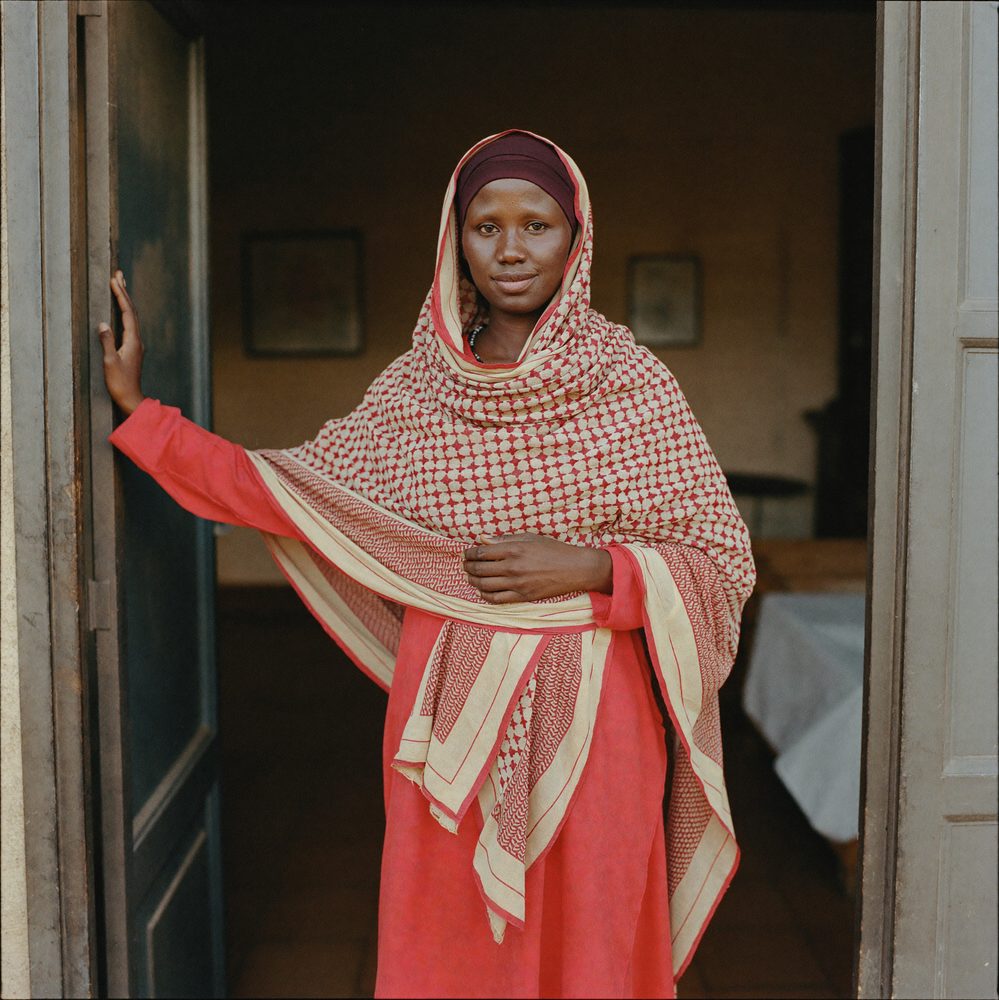
Women are not only beneficiaries of development. They are entrepreneurs, producers, farmers, fish processors, traders, professionals, employers, innovators, community leaders and decision-makers.
Reach these groups
Partners who can open a door for one of these groups are the ones SWEEF needs.
A buyer, a lender, a training provider, a cooperative federation or a government department: each unlocks a different stage of the pathway.