Somali Women Economic Empowerment

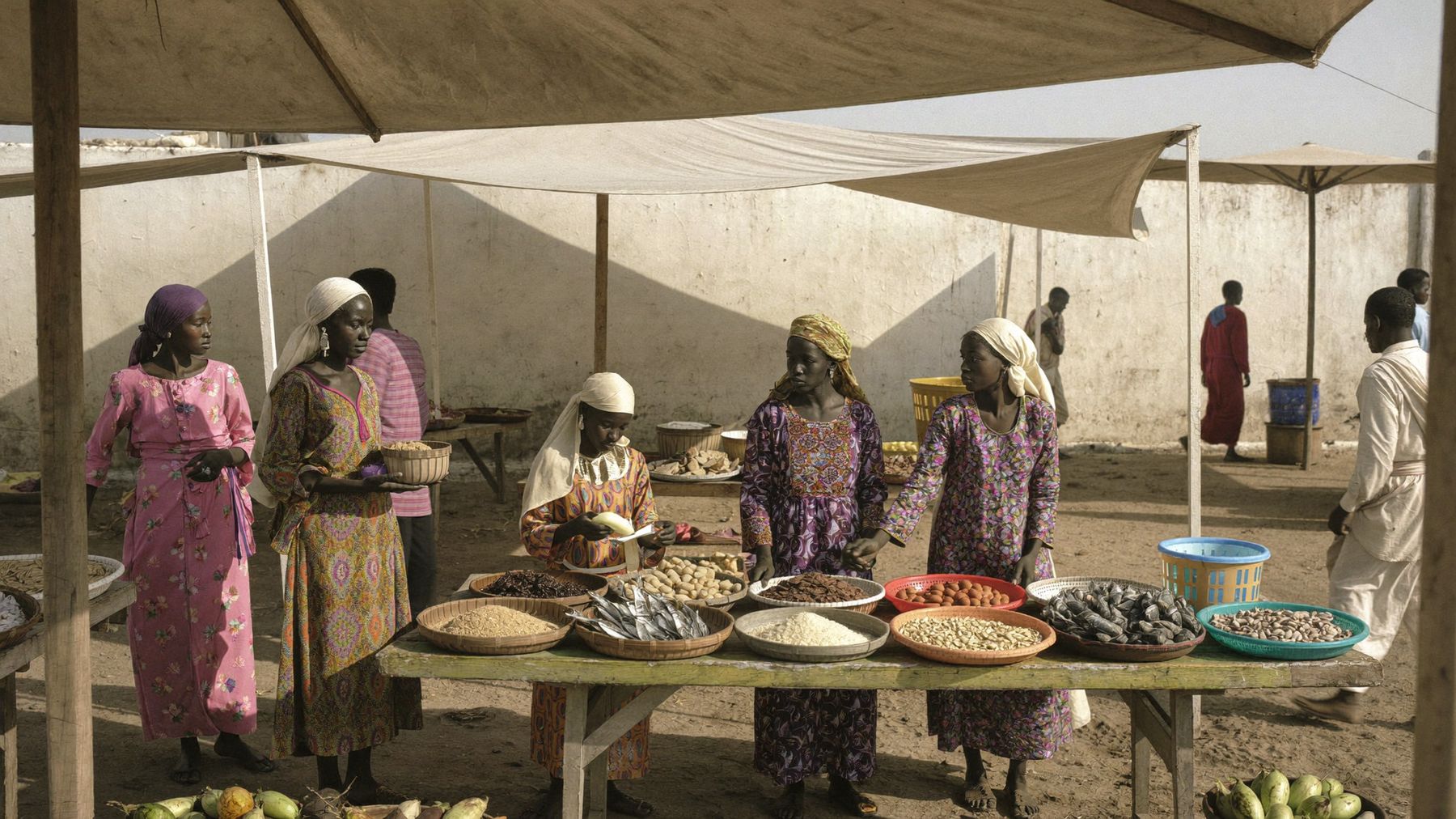
Somali women sell grain, vegetables and dried fish from baskets and low tables at a busy open-air market.

Strategic sectors

Ten sectors, deliberately connected

SWEEF concentrates on ten interconnected sectors with strong potential to increase women’s income, employment, food security, enterprise performance and resilience.

The ten strategic sectors

Why the sectors are linked

A woman supported in fisheries may also require skills training, finance, processing capability and market access. SWEEF is structured to deliver across those boundaries rather than within a single silo. The sectors below describe areas of expertise, not separate programmes a participant must choose between.

Sector 01
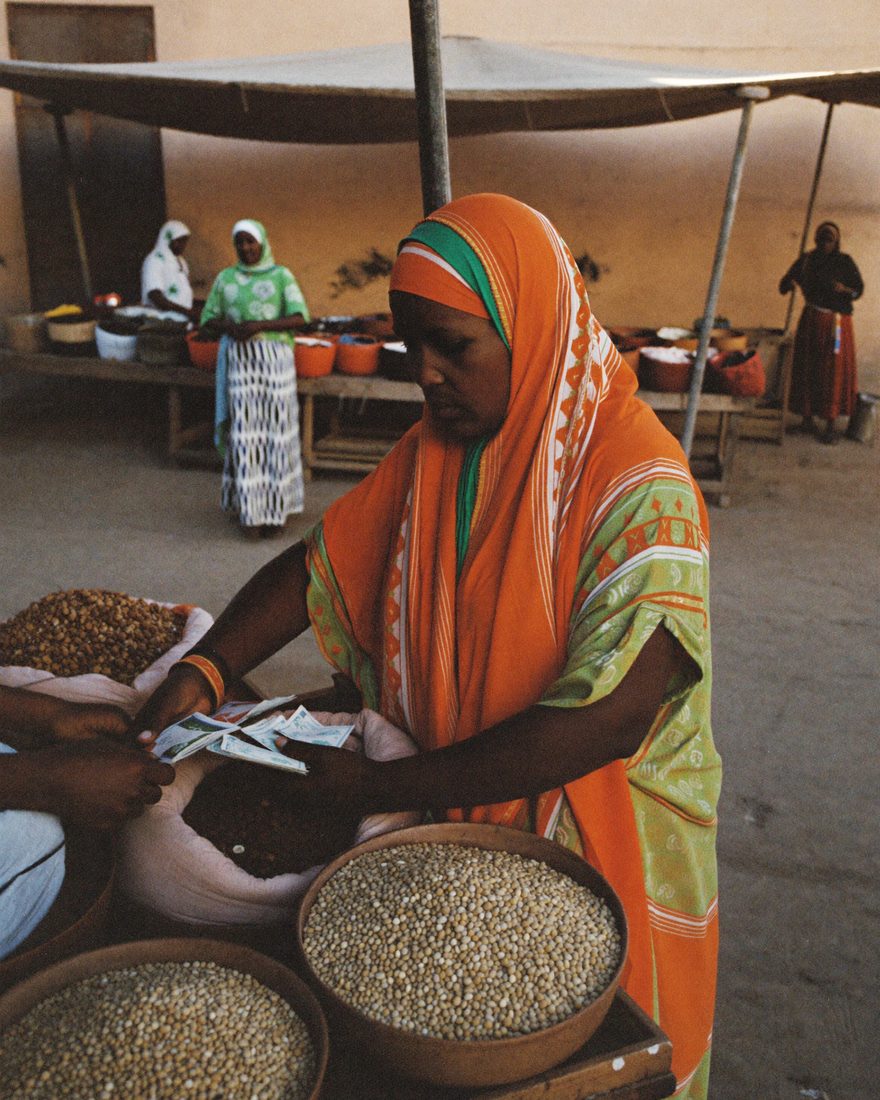
A Somali woman grain trader takes payment from a customer across baskets of sorghum and maize at a covered market.

Women's Economic Empowerment

Expanding the economic opportunities available to women and strengthening their control over income, assets and economic decisions.

Sector 02
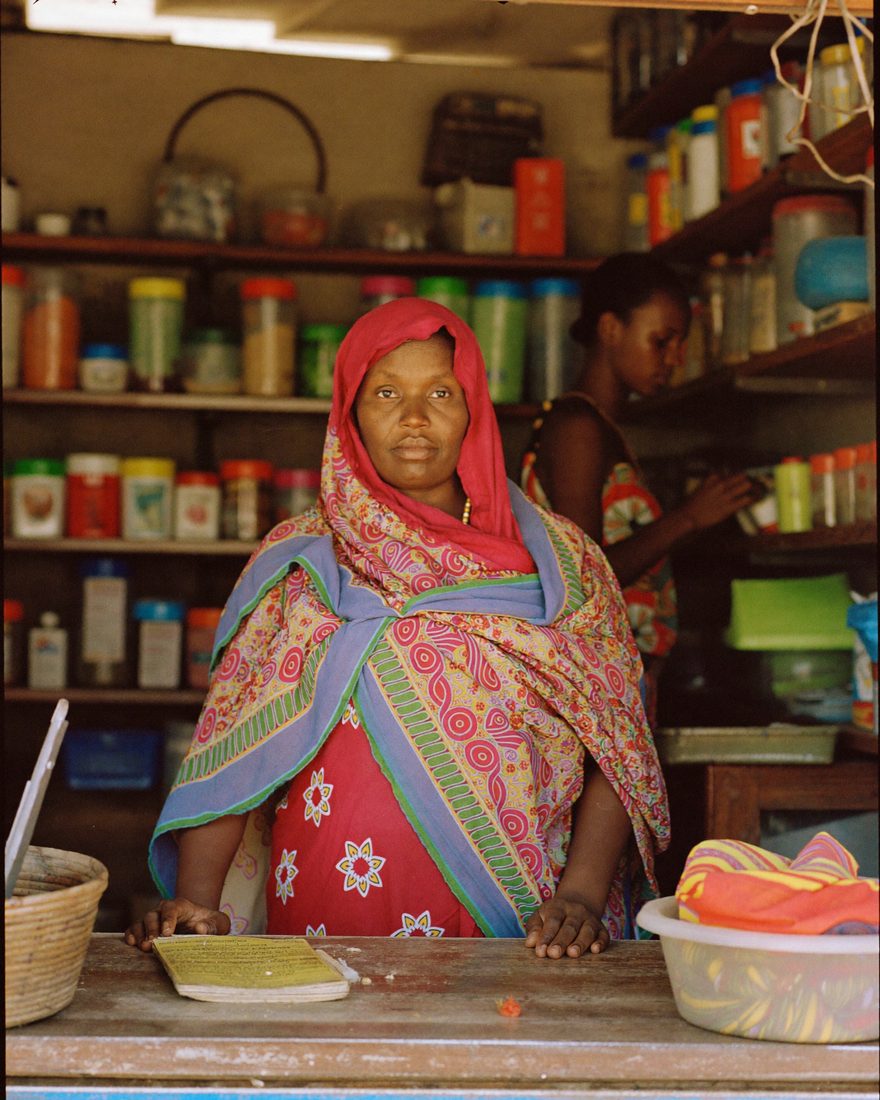
A Somali woman stands behind the counter of the small shop she owns, with stocked shelves behind her.

Entrepreneurship & Women-Led SMEs

Supporting women to start, formalize, manage and grow enterprises that are commercially viable and employ others.

Sector 03
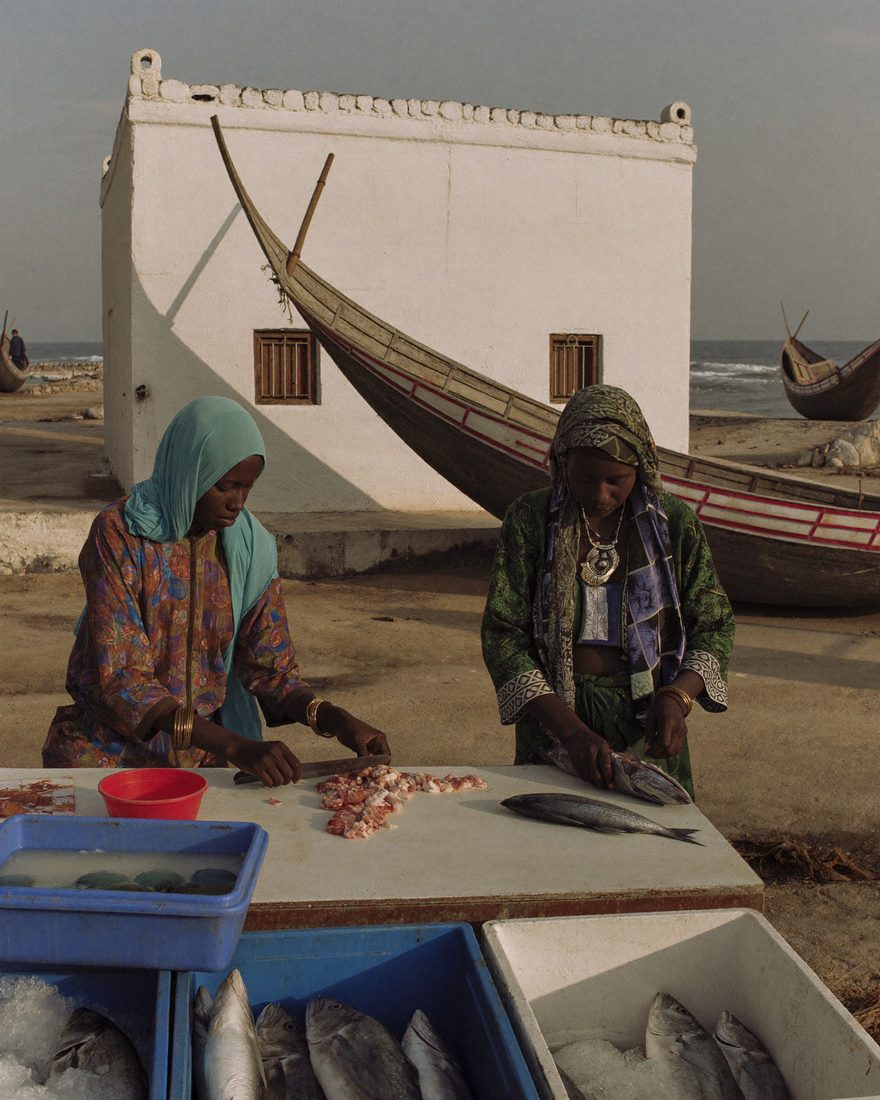
Two Somali women clean and prepare fish at an outdoor processing table beside a beached fishing boat.

Fisheries & the Blue Economy

Raising the value women capture from marine resources, while supporting sustainable use of them.

Sector 04
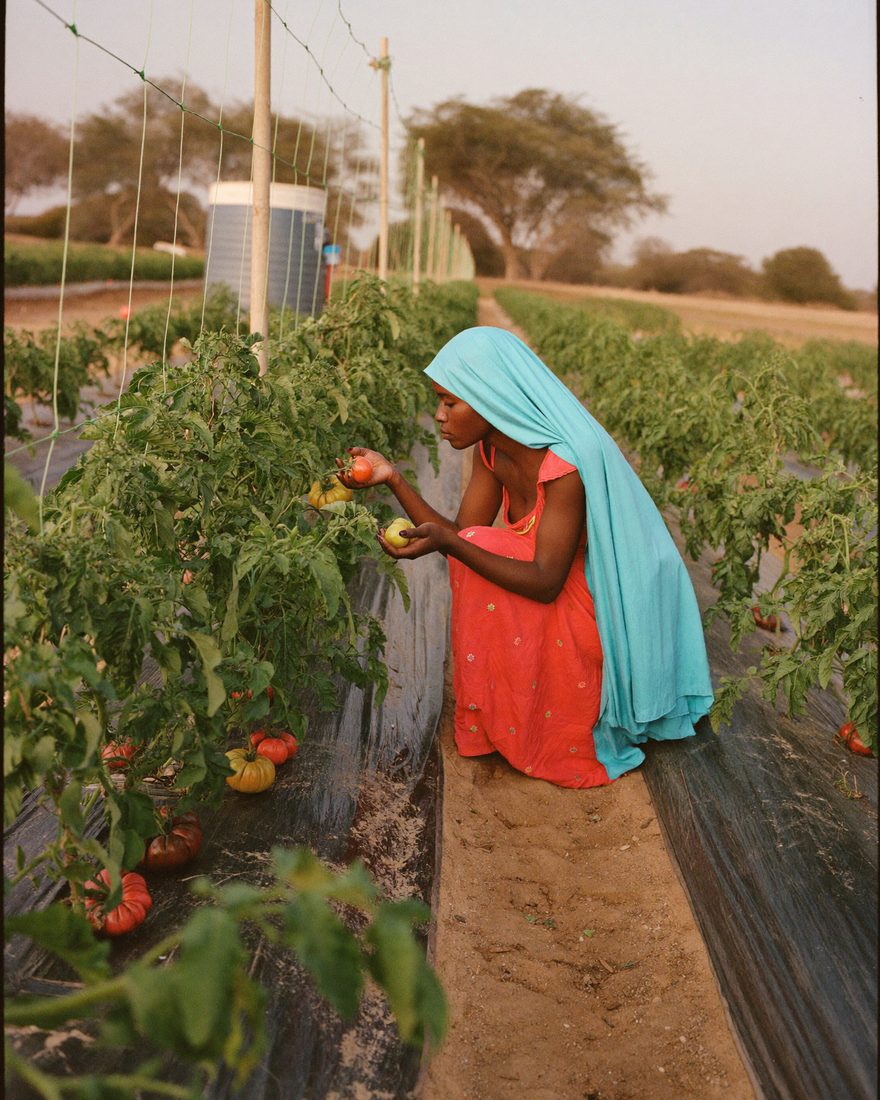
A Somali woman farmer inspects ripening tomatoes along a drip-irrigation line on a smallholder plot.

Agriculture & Agribusiness

Moving women farmers from subsistence production towards productive, climate-smart, market-connected agribusiness.

Sector 05
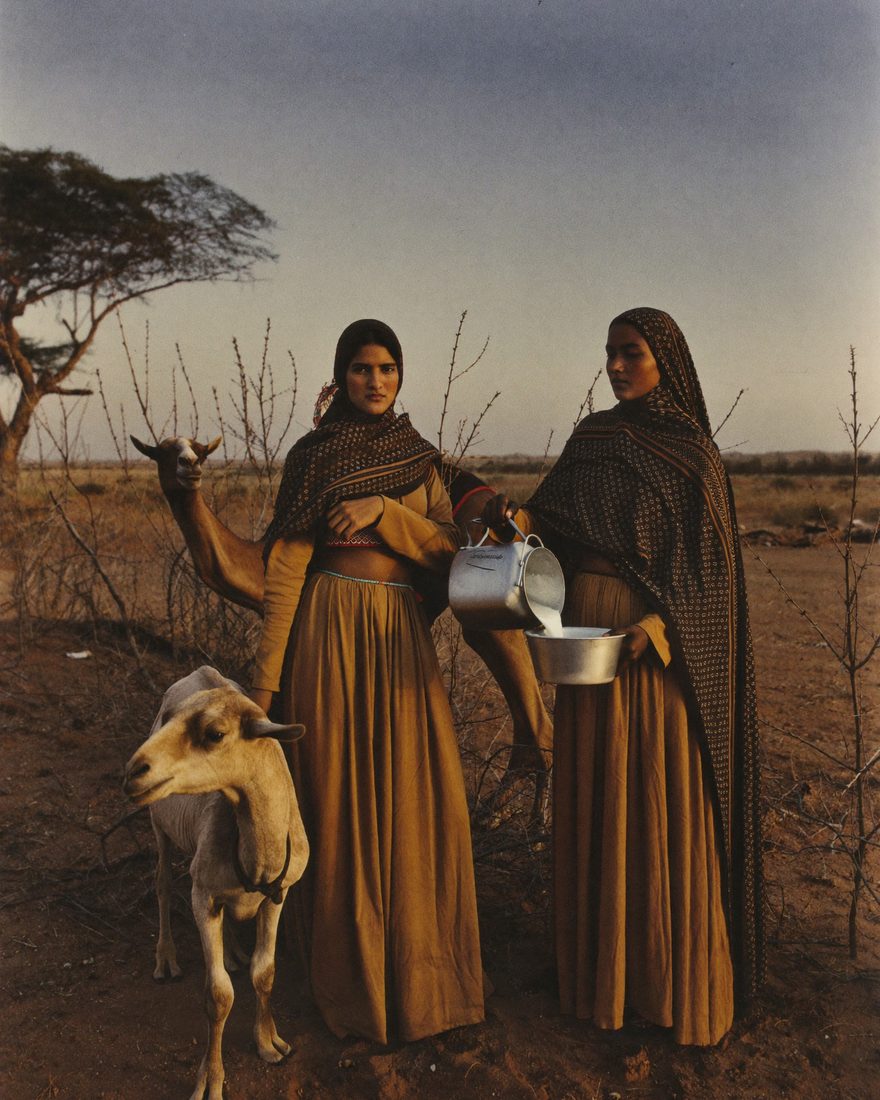
Two Somali women tend goats and a camel beside a thorn enclosure in an arid pastoral settlement.

Livestock & Livelihood Development

Strengthening women’s position in livestock value chains across pastoral and agro-pastoral systems.

Sector 06
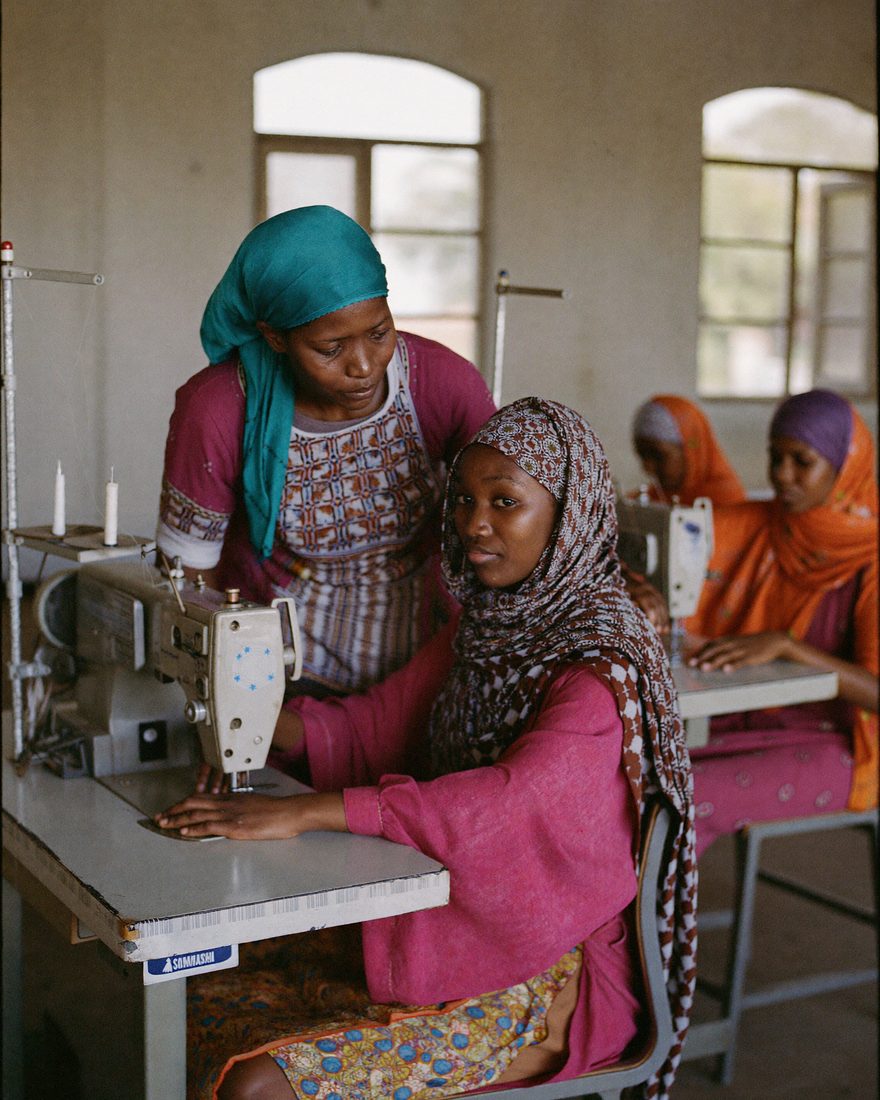
A Somali trainer leans in to guide a young woman working at an industrial sewing machine, with other trainees at machines behind them.

Skills Development & Employment

Demand-led skills that lead to real work, matched to employer and market needs, not to available curricula.

Sector 07
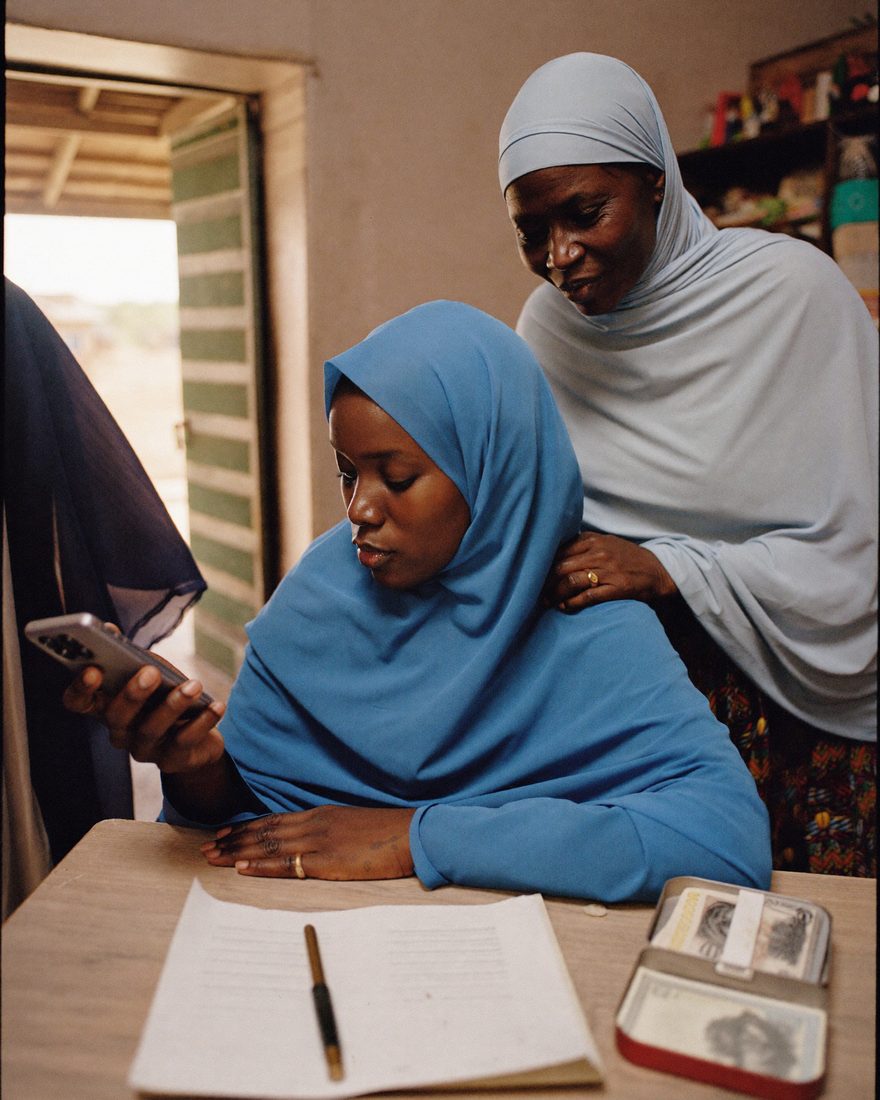
A young Somali woman completes a mobile money transaction beside a paper ledger while an older woman watches.

Financial Inclusion & Access to Finance

Closing the gap between women’s enterprises and the financial system, working on both sides of it.

Sector 08
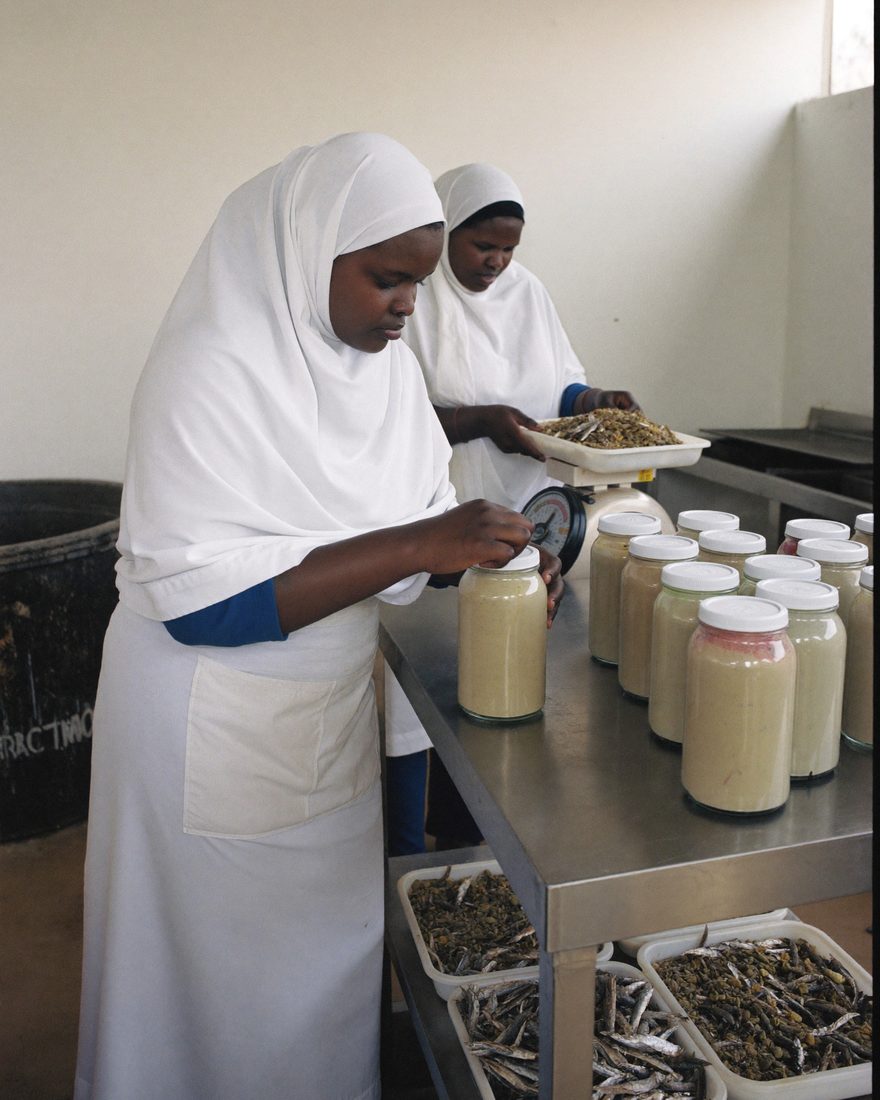
A Somali woman in an apron fills and seals jars of processed food at a stainless steel bench.

Food Processing & Value Addition

Moving women from selling raw produce to selling finished, branded, higher-value products.

Sector 09
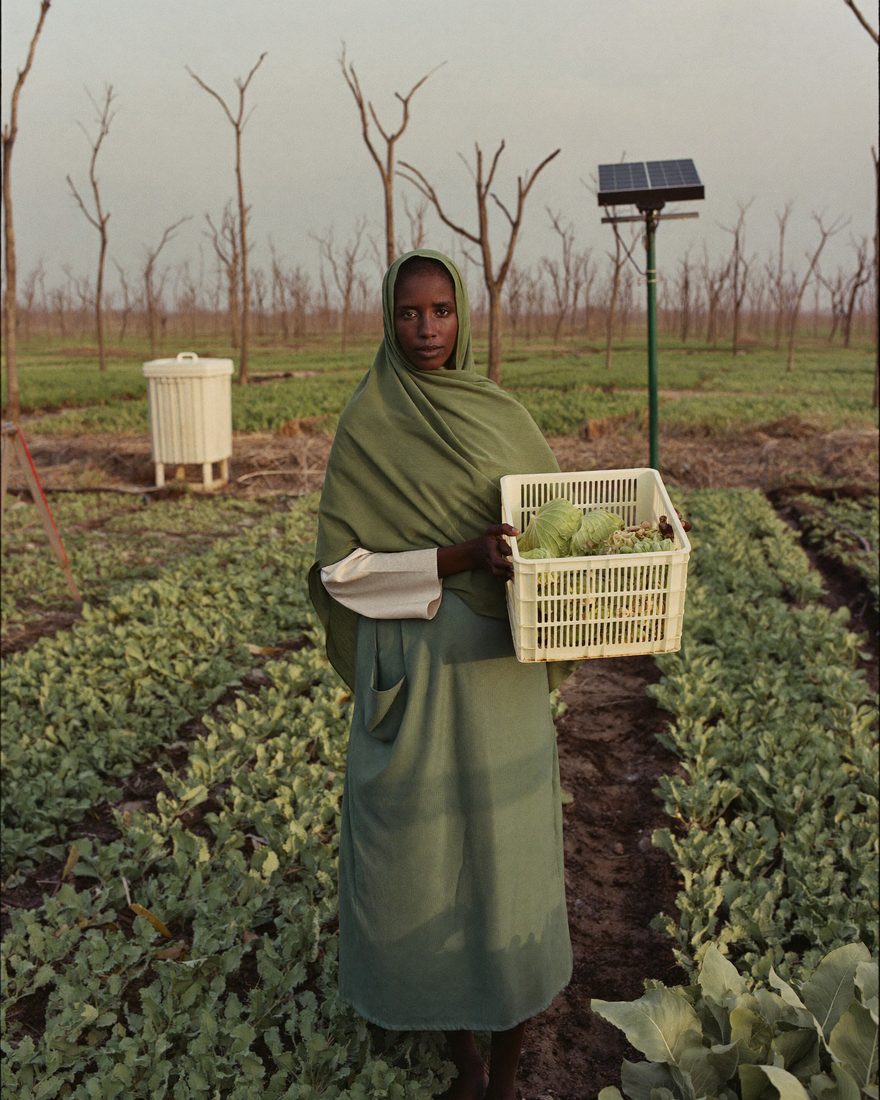
A Somali woman works a climate-smart irrigated plot beside a water storage tank in dry country.

Climate & Environmental Sustainability

Treating climate resilience as an economic issue, because livelihoods that cannot survive drought are not sustainable.

Sector 10
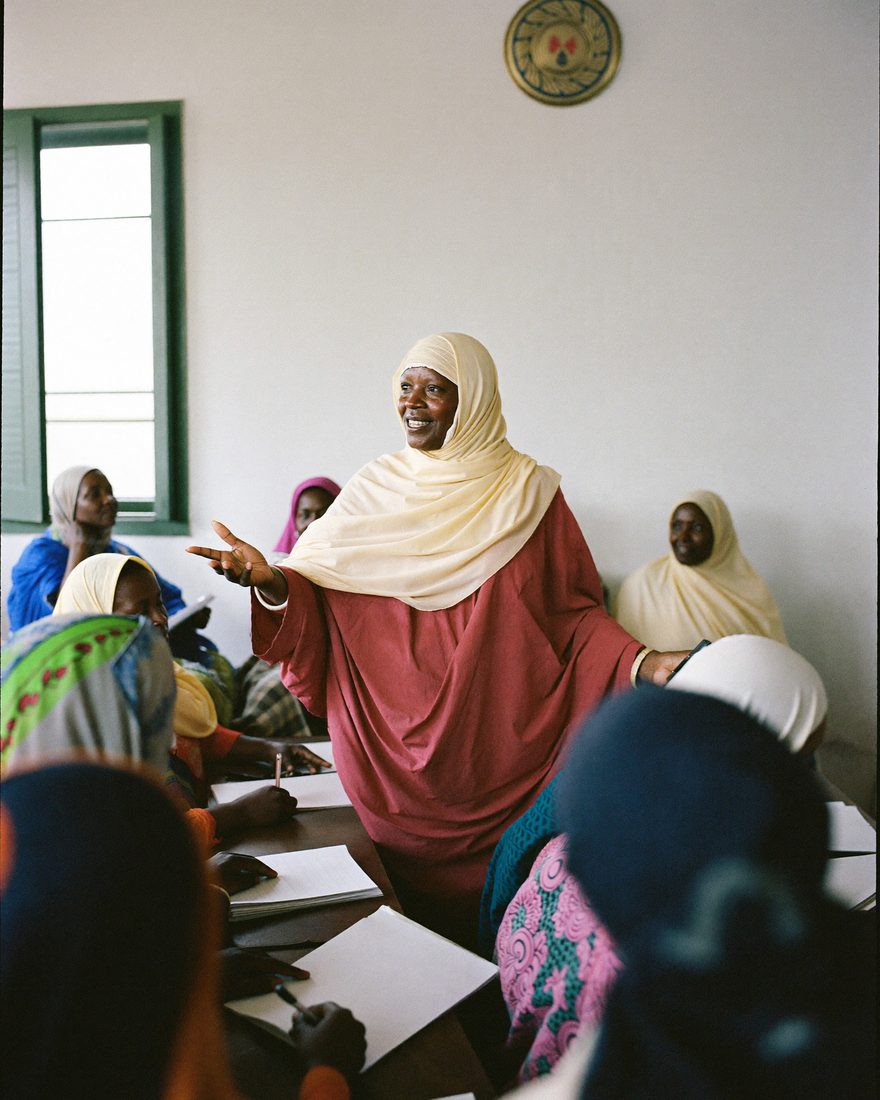
A Somali woman stands and addresses a meeting of women seated with notebooks.

Women's Leadership & Participation

Supporting women to take up leadership positions and influence the decisions that shape their economic environment.

Cross-cutting priorities

Integrated into every program, not bolted on

The following priorities are built into the design, delivery, monitoring and evaluation of every SWEEF program rather than treated as separate components.

  • Gender equality & women’s empowerment
  • Youth participation
  • Climate resilience & environmental sustainability
  • Digital transformation
  • Financial inclusion
  • Safeguarding, PSEA & protection
  • Social inclusion
  • Conflict sensitivity & do-no-harm
  • Accountability to affected populations
  • Monitoring, evaluation, research & learning
  • Evidence-based & adaptive programming
  • Local ownership & localisation

Sector partnership

Bring a sector, a market or a finance product to the table.

SWEEF is looking for partners with technical depth in these sectors, buyers who need reliable supply, and financiers prepared to design for women-led enterprise.
Scroll to Top