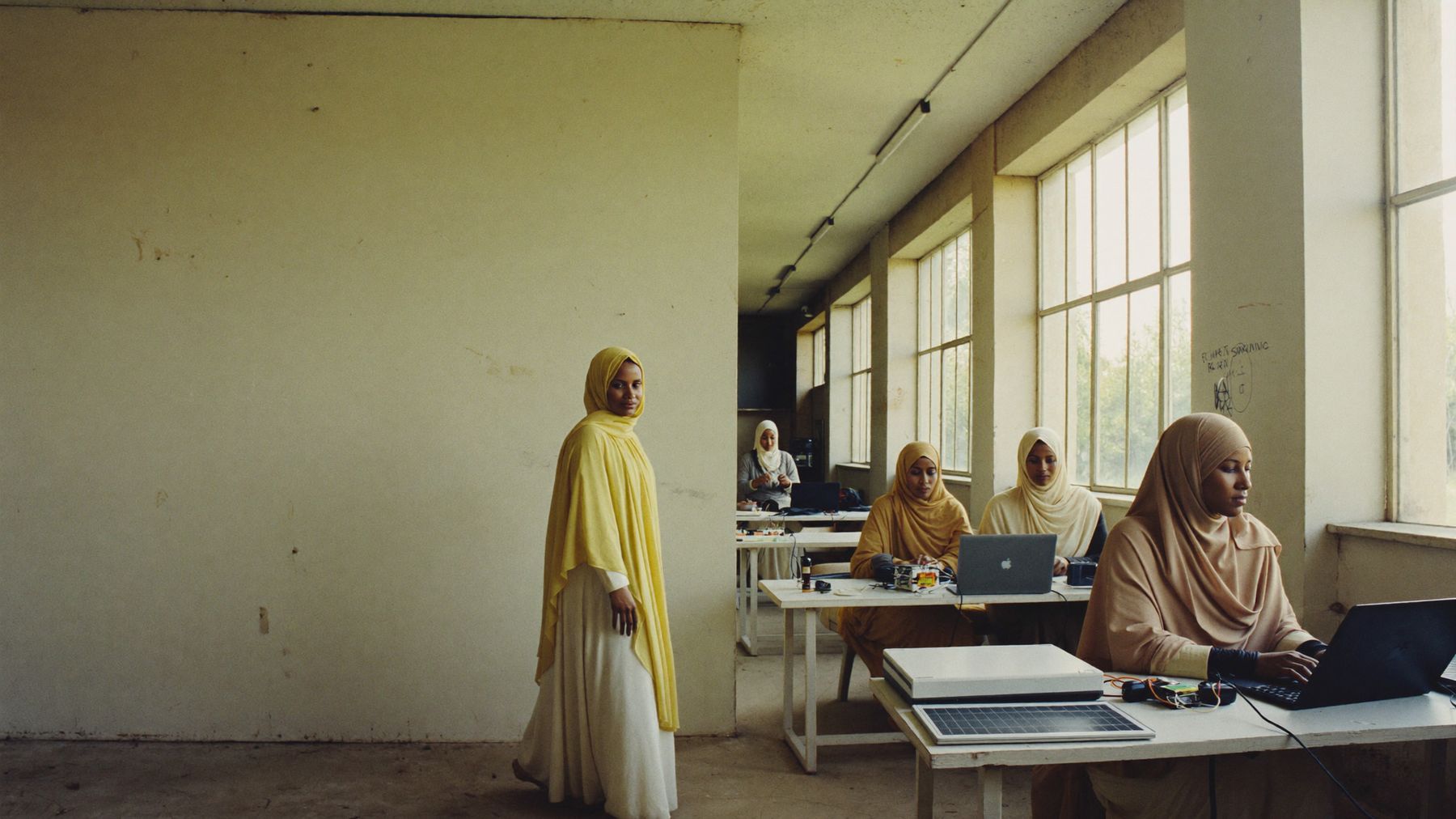
The SWEEF Integrated Economic Empowerment Model
Skills, assets, finance, enterprise, markets: delivered together
Training alone rarely changes income. Skills convert into earnings only when assets, finance, markets and enabling institutions are available at the same time. This is the logic behind every SWEEF program.
The empowerment pathway
Seven stages that build on one another
Each stage of the pathway depends on the one before it. SWEEF’s programs are designed so that a participant is not left at a stage she cannot move beyond: trained without equipment, producing without a buyer, selling without access to capital.
The pathway is a design discipline rather than a rigid sequence. Where a woman already holds skills or assets, SWEEF starts where the constraint actually is.
- 01
Skills
Competencies the market values.
- 02
Assets
Tools, equipment, technology.
- 03
Finance
Savings and appropriate capital.
- 04
Enterprise
Viable, growing businesses.
- 05
Markets
Reliable sales at fair prices.
- 06
Income
Higher, steadier earnings.
- 07
Resilience
Capacity to absorb shocks.
Stage by stage
What changes, and how SWEEF contributes
For each stage: the change SWEEF seeks, and the contribution the Foundation makes towards it.
Skills
- The change SWEEF seeks
- Women hold technical, vocational, entrepreneurial, digital and financial competencies that the market values.
- How SWEEF contributes
- Demand-led training, apprenticeships, coaching and business development services designed around real market opportunities.
Why this stage matters: skills chosen from available curricula rather than from employer and market demand produce certificates, not income.
Productive assets
- The change SWEEF seeks
- Women control the tools, equipment, technology and inputs their enterprise or livelihood requires.
- How SWEEF contributes
- Asset transfer, shared-use equipment and processing facilities, group ownership models and technology introduction.
Why this stage matters: control matters as much as access. An asset a woman uses but does not control cannot be pledged, sold, or built on.
Finance
- The change SWEEF seeks
- Women can save safely and access appropriate, affordable capital to start, stabilise and grow.
- How SWEEF contributes
- Financial literacy, savings groups, linkage to banks and microfinance institutions, digital financial services, investment readiness.
Why this stage matters: capital that does not match the cash-flow of a woman’s enterprise is a liability rather than an opportunity.
Enterprise
- The change SWEEF seeks
- Women establish, formalise, diversify and grow viable businesses and livelihood activities.
- How SWEEF contributes
- Enterprise development support, business planning, cooperative and producer-group strengthening, mentoring.
Why this stage matters: an enterprise that survives its second year is the point at which employment for other women becomes possible.
Market access
- The change SWEEF seeks
- Women sell reliably into value chains, institutional buyers and end markets at fair prices.
- How SWEEF contributes
- Buyer linkage, aggregation, quality and packaging improvement, market information, trade facilitation.
Why this stage matters: this is where most livelihood programmes stop, and where most of the value is lost.
Increased income
- The change SWEEF seeks
- Enterprises and livelihoods generate higher, more stable income and create jobs for other women.
- How SWEEF contributes
- Value addition, productivity improvement, cost reduction, employment creation and reinvestment support.
Why this stage matters: stability of income, not only its level, determines whether a household can plan, invest and absorb a shock.
Economic resilience
- The change SWEEF seeks
- Women, households and enterprises absorb and recover from economic, climate and livelihood shocks.
- How SWEEF contributes
- Livelihood diversification, climate-smart practice, savings and insurance linkage, and strengthened voice in decision-making.
Why this stage matters: without it, a single drought or price collapse returns a household to where it started.
Underlying assumptions
What the pathway depends on
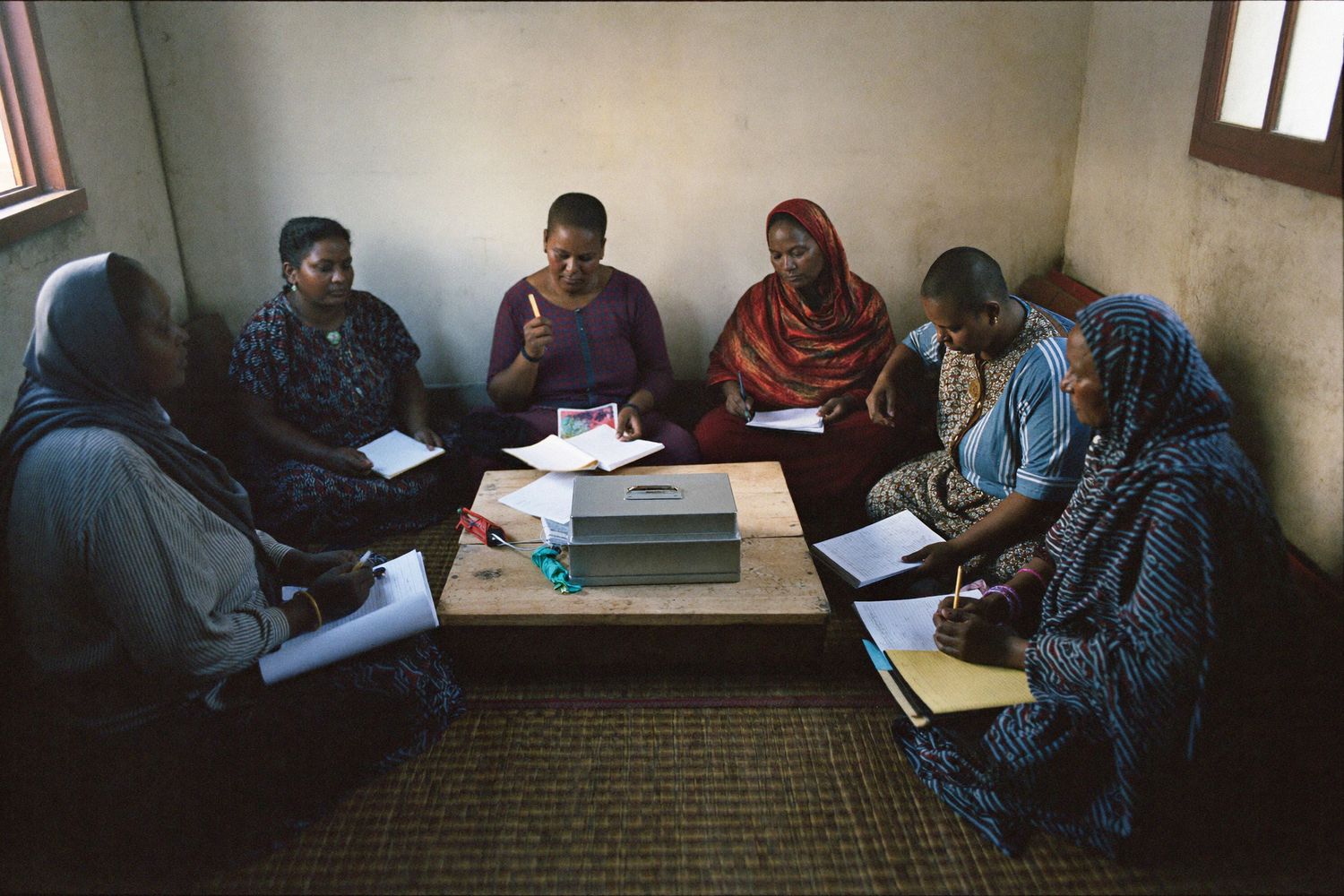
The model rests on assumptions that SWEEF monitors and tests throughout implementation, adapting the approach where they do not hold.
- Women’s economic participation is constrained primarily by access to resources, systems and opportunity, not by ability, ambition or effort.
- Training alone rarely changes income; skills convert into earnings only when assets, finance, markets and enabling institutions are available at the same time.
- Markets for the products and services women produce exist, and can be reached with the right quality, volume, aggregation and linkage support.
- Households, community leaders and men can be engaged constructively, so that increased income translates into increased decision-making power rather than increased burden or risk.
- Government institutions, financial service providers and private-sector actors are willing to work with women’s enterprises where a credible business case is demonstrated.
- Operating conditions permit sustained access to target locations, and interventions can be adapted where they do not.
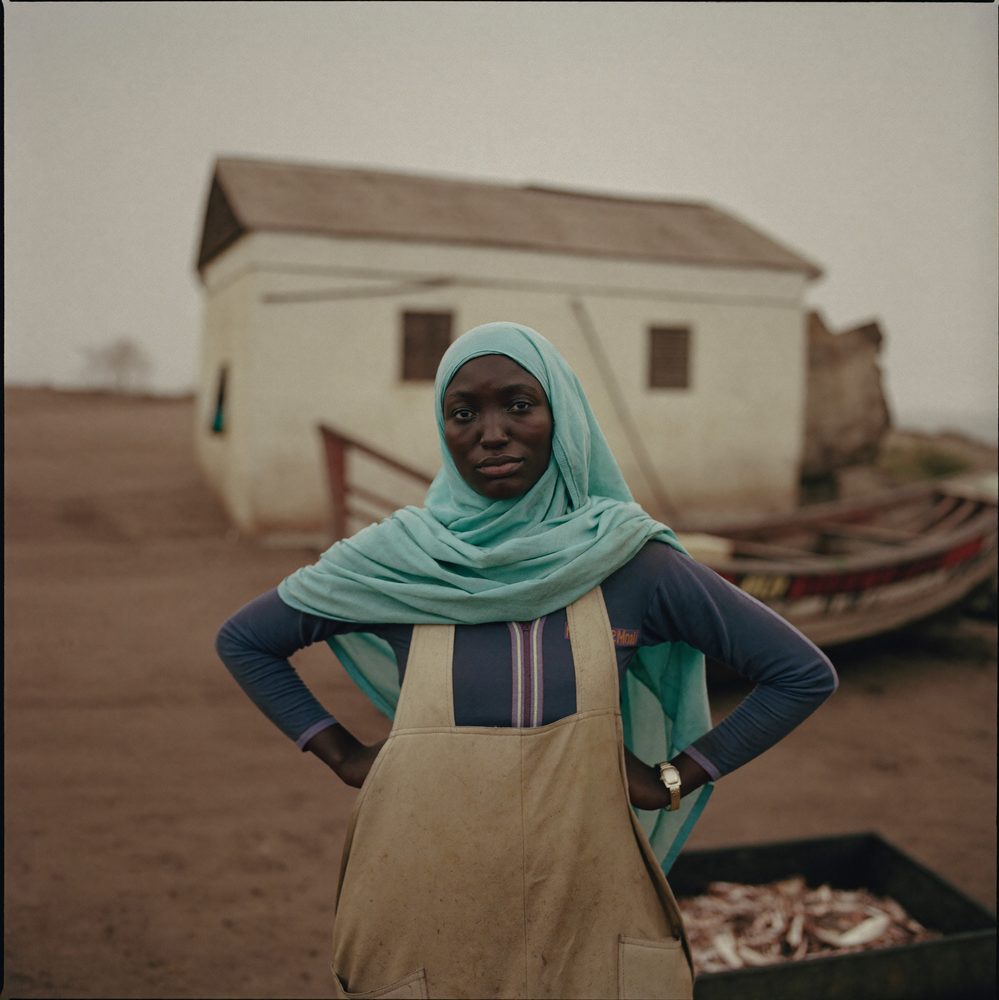
The primary constraint on women’s economic participation in Somalia is not capability or effort, but systematic exclusion from the resources, systems and institutions that convert work into income.
Apply the model
The model works where partners bring the missing pieces.
Finance providers, buyers, training institutions and government agencies each hold part of the pathway. SWEEF is built to convene them around a single participant journey.